Guides

FPX Explained: How Malaysia's Online Banking Payment Works

What FPX is, how it works step by step, what it means for your business, and what Malaysia's online banking payment gateway is.

VirtuaPay Team
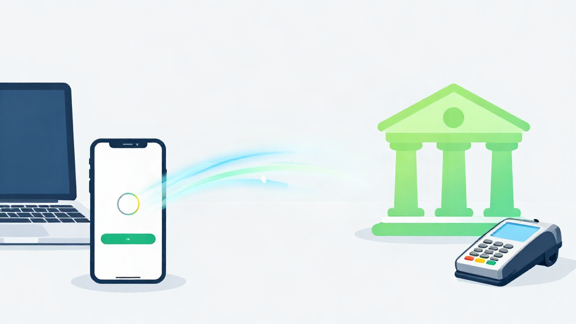
How an FPX payment works in Malaysia — customer selects bank, authenticates, and funds transfer to merchant

The flow is short, but understanding each step helps when you are deciding how to configure your checkout.

  1. The customer chooses FPX at checkout. On your payment page, the customer selects online banking (FPX) as their payment method.
  2. They pick their bank. A list of participating banks appears. The customer selects the bank they hold an account with.
  3. They are redirected to their bank. Your system hands the request to FPX, which routes the customer to their bank's online banking login page. This is a secure handover - your business never sees the customer's banking credentials.
  4. They log in and approve. The customer enters their online banking username and password, then confirms the amount and the payment.
  5. The bank debits the account. The amount is taken directly from the customer's bank account.
  6. The result comes back to you. FPX returns a status to your payment system: successful, failed, or pending. You then show the customer a confirmation page and fulfill the order.
  7. The funds settle to you. You will receive the funds in your merchant account on the agreed settlement cycle.

If you are evaluating payment methods, FPX is usually one of the highest-value additions to your checkout.

  • Wider customer base. You can sell to customers who do not use credit cards.
  • No card data to store. Because payment happens through the bank's own login, card numbers are never entered on your site.
  • Fast confirmation. Successful payments are typically confirmed during the checkout session, so you can fulfil orders quickly.
  • Predictable costs. FPX transactions are generally priced differently from card transactions, which matters to businesses processing volume.
  • Good fit for local buyers. For a Malaysian audience, FPX is a familiar, trusted option rather than a new behaviour to learn.

These payment methods are not competitors so much as different doors into the same sale.

  • Cards work well for local and international customers and support instalment plans, but require the customer to hold a card and may cost more per transaction.
  • E-Wallets are fast and popular for smaller purchases, but the customer needs a funded wallet.
  • DuitNow covers instant bank transfers and QR payments, including in-store and person-to-person use.
  • FPX is designed specifically for online checkout paid from a bank account.

When you look for a provider that supports FPX, check the following:

  • Does it accept FPX alongside cards and e-Wallets on the same account?
  • Does it support both online checkout and in-store payments, so you can reconcile everything in one place?
  • How fast is settlement, and how clear is the reporting?
  • Can you send payment links through WhatsApp or other channels for orders that do not go through a website?
  • Does it offer instalment options for higher-value purchases?
  • Is there sales and support availability when something goes wrong at your busiest hour?
  • Can it integrate with your existing POS or e-commerce system through an API?

Topics

  • fpx
  • payment gateway
  • online payment gateway

Frequently Asked Questions

Ready to start accepting payments?

Talk to the VirtuaPay team about FPX, DuitNow, e-wallets and cards on one account.